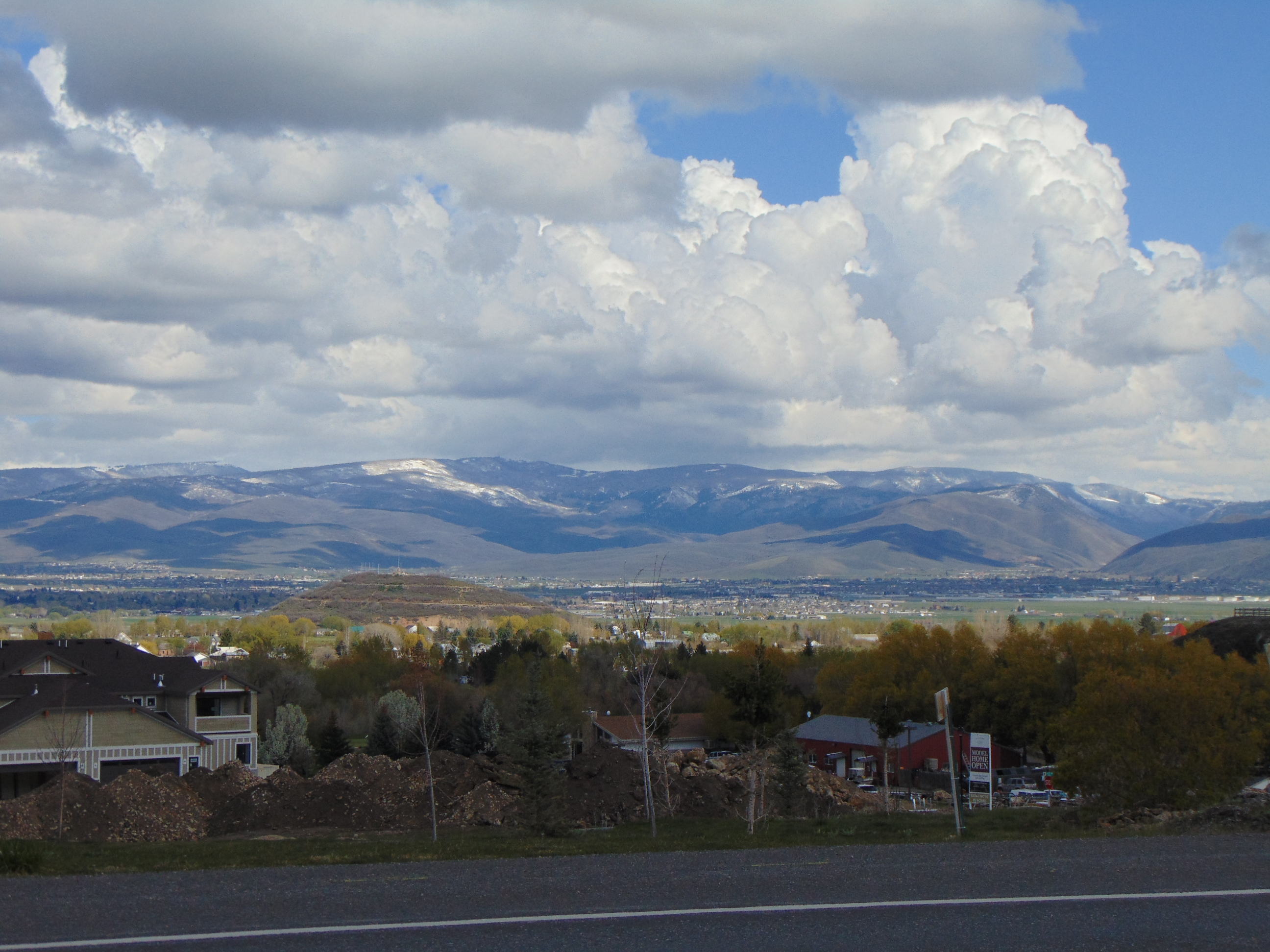
Heber Valley Cold Snap
Tom Hanks, owner, 24/7 Express Handyman Service · Updated September 2026
Insulate exposed lines and keep the thermostat up — a hard cold snap is what actually breaks unprotected pipes.
What actually fails first
In a valley that drops well below freezing overnight for weeks at a stretch, the first things to fail are almost always exposed supply lines — in a crawlspace, a garage, or along an exterior wall that doesn't get much heat. Insulating those runs before the first hard freeze is far cheaper than a burst-pipe call after one.
The thermostat rule doesn't change with elevation
IBHS's advice to never let a thermostat drop below 55°F applies just as much at elevation as it does at the valley floor — the mechanism that freezes a pipe doesn't care how far above sea level the house sits, only how cold the pipe itself gets.
A woodstove or space heater in one room doesn't help a line in an unheated crawlspace on the other side of the house; the whole point of the thermostat rule is keeping the ambient temperature up everywhere a pipe runs, not just where people are sitting.
Call now
Answered 24/7 by Tom or his dispatcher.
24/7 Express Handyman Service confirms the address, the zone rate and the dispatch fee before rolling.
Sources
- IBHS Winter Weather Ready Guide news release — retrieved 2026-09-19